Tayrona National Park closing dates are something every traveler should know before booking a trip to Santa Marta. The park shuts its doors three times a year on a fixed, official schedule — and it catches thousands of visitors off guard each season. This isn’t a bureaucratic restriction. It has deep roots in centuries of relationship between the indigenous peoples of the Sierra Nevada and a territory they inhabited long before any road or tourist sign ever existed.
In this article we’ll tell you everything you need to plan your trip wisely: why the closures happen, how long they last, what takes place during that time, and the exact dates so you can organize ahead.
Tayrona Is More Than a Beach — It’s a Living Ecosystem
Before talking about the closing dates, it’s worth understanding what’s being protected. Tayrona National Natural Park is not simply a collection of pretty beaches. It’s one of the most complex and biodiverse ecosystems in the entire country.
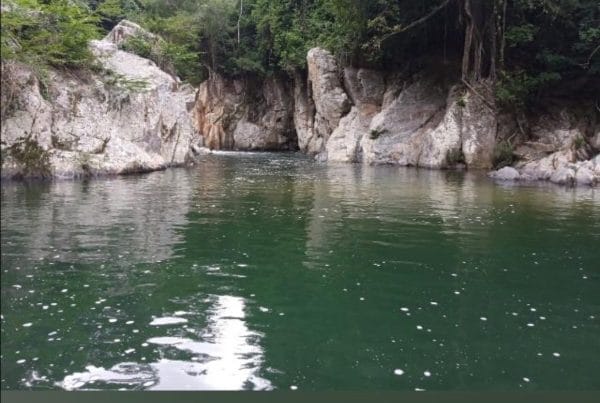
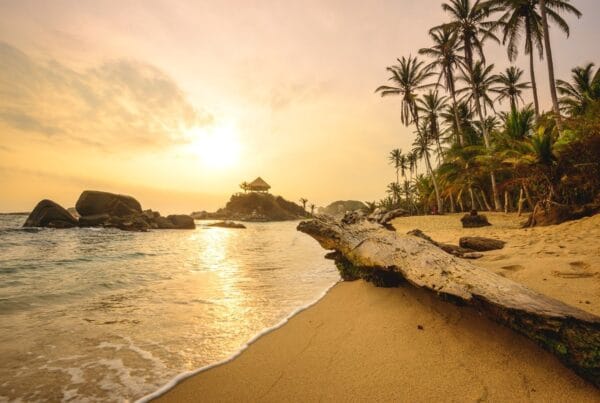
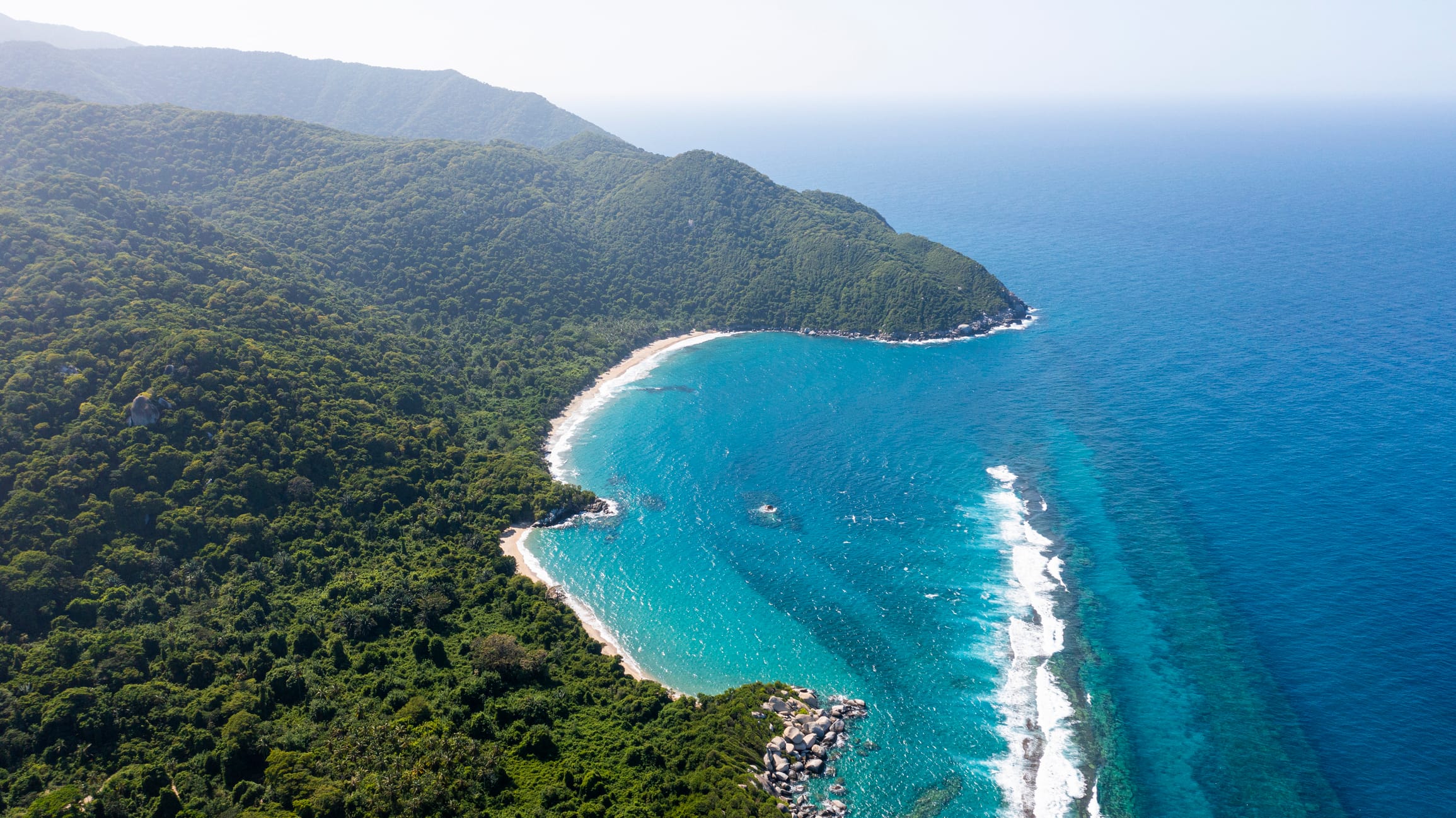
Spanning 15,000 hectares — 12,000 terrestrial and 3,000 marine — the park was declared a UNESCO Biosphere Reserve in 1979. Within its boundaries, ecosystems coexist that are rarely found so close together: tropical dry forests, humid and cloud forests, mangroves, coral reefs, coastal lagoons, and white sand beaches.
The biodiversity is staggering: more than 770 species of terrestrial flora, over 350 species of marine algae, and a fauna that includes five species of wild cats — jaguar, puma, ocelot, oncilla, and margay — along with howler monkeys, giant anteaters, and more than 350 bird species. Underwater, the coral reefs shelter hawksbill turtles, parrotfish, moray eels, and dozens of tropical species.
All of this under the pressure of millions of visitors every year. And that’s exactly the problem.
Why Does Tayrona National Park Close?
Mass tourism takes a real toll on ecosystems: trails erode, wildlife gets stressed and hides, beaches accumulate impact, and water sources are strained by demand. Without rest periods, this extraordinary ecosystem would degrade irreversibly.
That’s why “Respira Tayrona” (Breathe Tayrona) was created — the official strategy of Colombia’s National Natural Parks authority to guarantee the long-term sustainability of the protected area. Each closure serves a triple purpose:
1. Environmental and Scientific
Park rangers use the closure to carry out fauna and flora monitoring, ecological restoration, trail maintenance, and research activities that simply can’t happen when the park is full of visitors.
2. Cultural and Spiritual
Tayrona forms part of the ancestral territory of four indigenous peoples of the Sierra Nevada de Santa Marta: the Kogui (Kággaba), Arhuaco (Iku), Wiwa, and Kankuamo. During the closures, these communities perform their pagamentos — rituals of reciprocity with nature to give thanks, cleanse, and renew the energy of the territory. For them, the Sierra Nevada and the sea are a sacred unity that requires constant care.
3. Climatic and Natural
Each closure is strategically timed to a moment in the ecological calendar: periods of low rainfall, sea turtle nesting cycles, the arrival of migratory birds, or forest renewal. These aren’t arbitrary dates — they follow nature’s own rhythms.
Tayrona National Park Closing Dates 2026
🌵 Closure 1 — February (Kugkui Shikasa)
Dates: February 1–15
The first closure of the year coincides with one of the driest periods on the Colombian Caribbean coast. Water availability inside the park is limited, rivers run low, and ecosystems are at their most fragile in the face of human presence.
Indigenous communities call this period Kugkui Shikasa — a sacred time of spiritual cleansing and healing of the territory. While park rangers carry out restoration and monitoring work, the peoples of the Sierra perform their pagamento ceremonies to renew their bond with the land and the sea.
For the unprepared traveler, this closure can come as a surprise: February is peak season in many parts of Colombia, which makes this one of the most important Tayrona closing dates to remember.
🌿 Closure 2 — June (Saka Juso)
Dates: June 1–15
At mid-year, the park takes its second pause. This closure is known as Saka Juso in the indigenous calendar and coincides with the beginning of the rainy season on the Caribbean coast.
During these 15 days, area recovery work intensifies: trail clearing, restoration of zones impacted by visitor traffic, and environmental education activities with local communities. It’s also a time for strengthening the bond between National Parks and the indigenous peoples who share the territory.
This closure falls right before the mid-year peak season — June and July school holidays — making it crucial to keep in mind when planning a family trip during that period.
🐢 Closure 3 — October–November (Nabbatashi)
Dates: October 19 – November 2
This is the longest and most symbolically rich closure of the year. Communities call it Nabbatashi — the time of nature’s renewal — and the description is literally accurate: trees turn green again after the dry spell, the first migratory birds arrive from the north, and sea turtles begin their nesting cycle on the park’s beaches.
It’s a moment of deep biological and spiritual activity. While nature renews itself, park rangers track the turtles, monitor the reefs, and strengthen the perimeter security of the area.
During this closure, the Encuentro de Historia y Cultura (History and Culture Gathering) also takes place — a community integration event that celebrates the heritage of the Sierra Nevada and reinforces year after year the identity of the peoples who watch over this territory.
Official Closing Dates Summary
| Closure | Dates | Indigenous Name | Duration |
|---|---|---|---|
| First closure | February 1–15 | Kugkui Shikasa | 15 days |
| Second closure | June 1–15 | Saka Juso | 15 days |
| Third closure | Oct 19 – Nov 2 | Nabbatashi | 15 days |
These dates are consistent year after year. Always verify the current calendar at parquesnacionales.gov.co before traveling.
Are There Other Possible Closures?
Yes. In addition to the three scheduled Tayrona National Park closing dates, the park can close unexpectedly due to:
- Extreme weather conditions: heavy rainfall, river flooding, or damage to access infrastructure.
- Emergency maintenance: damaged trails or bridges that pose a risk to visitors.
- Territorial conflicts: on occasion, tensions between indigenous communities, local farmers, and park management have led to unplanned additional closures.
For this reason, regardless of the calendar, we always recommend checking the park’s current status on official channels before you leave home.
What Can You Do in Santa Marta During the Closures?
A closed Tayrona doesn’t mean Santa Marta shuts down. The region has much more to offer, and the closure periods are a perfect opportunity to discover corners that most tourists never find.
Alternative Beaches Near the Park
- Playa Cristal: crystal-clear waters and coral reefs accessible by boat from Buritaca. One of the most beautiful beaches in Colombia and, during Tayrona’s closures, one of the most peaceful.
- Bahía Concha and Gayraca: sheltered bays with calm waters, ideal for families.
- Taganga: an authentic fishing village with genuine Caribbean charm, excellent for diving and snorkeling.
Nature and Adventure
- Ciudad Perdida (Teyuna): Colombia’s most iconic trek. The 4-to-6-day hike to the ancient ruins of the Tayrona people’s city is available year-round, completely independent of the park’s closing dates.
- Minca: just 40 minutes from Santa Marta, this village in the Sierra Nevada offers waterfalls, birdwatching trails, coffee farms, and an energy completely different from the coastal Caribbean.
- Pozos Azules: natural swimming pools in the Sierra Nevada, perfect for a day of total disconnection.
Culture and History
- Santa Marta’s Historic Center: Colombia’s oldest city has beautiful colonial architecture and a renovated waterfront lined with restaurants, bars, and local life.
- Tayrona Gold Museum: an extraordinary collection of pre-Columbian goldwork that puts the entire history surrounding the park into context.
- Quinta de San Pedro Alejandrino: the hacienda where Simón Bolívar died, today a museum and botanical garden.
Something Most Travelers Don’t Know
During Tayrona’s closures, Santa Marta moves at a different pace. Fewer buses packed with backpackers, shorter waits at restaurants, more accessible prices, and a more authentic everyday life. For those who want to genuinely connect with a destination — not just its tourist-facing version — traveling during a closure can paradoxically be a better experience.
At Villa Tayrona we’re open year-round, including during the park’s closure periods. Our location makes us a perfect base to explore everything the region has to offer on those days, with the added bonus of a quieter atmosphere and more personalized attention.
Final Tips: How to Plan Around the Tayrona Closing Dates
- Don’t book with the park as your only plan during February 1–15, June 1–15, and October 19 – November 2.
- If your dates are fixed and they fall during a closure, don’t cancel — use that time to explore the rest of the region.
- If your visit is flexible, the best windows to visit Tayrona are mid-February through May, and mid-June through mid-October.
- Book in advance, especially during peak season: the park has a daily visitor limit.
Have questions about what to do in Santa Marta during your visit, or want to build an itinerary that includes Tayrona and the surrounding area? Reach out to us at Villa Tayrona — we’re happy to help you plan a complete experience.
Ready to get away? → Book at Villa Tayrona
Source: Parques Nacionales Naturales de Colombia — parquesnacionales.gov.co